Scaffold Safety

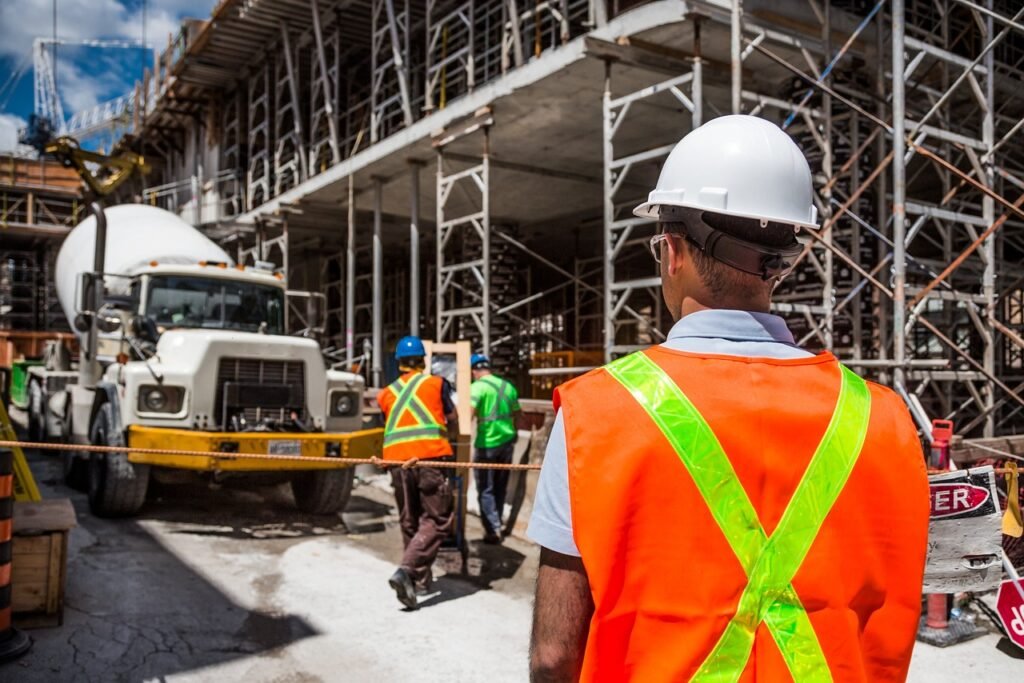
Scaffold safety is a critical aspect of workplace safety in construction, maintenance, and other industries that involve working at heights. A scaffold is a temporary structure that provides a platform for workers to access high work areas safely. However, it can pose significant risks if not set up, used, and maintained correctly. To ensure scaffold … Read more
Electrical Safety

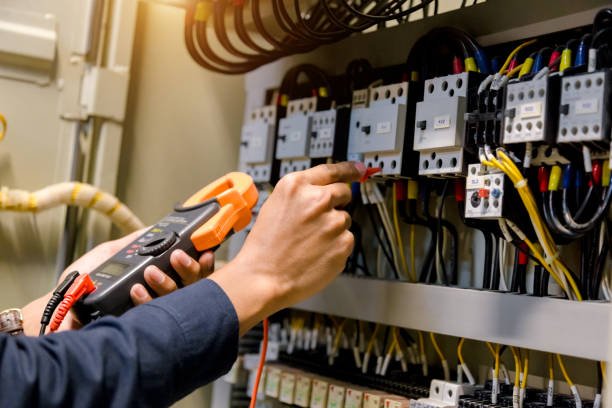
Electrical safety is the practice of ensuring that electrical hazards are identified, assessed, and mitigated to prevent injury or death caused by electric shock, electrical burns, or electrical fires. Electrical safety is a critical aspect of workplace safety in industries such as construction, manufacturing, and utilities. To ensure electrical safety, employers must follow specific regulations … Read more

Work at Height

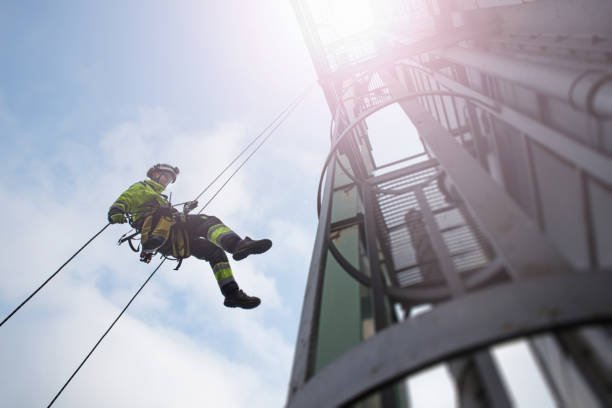
Work at height refers to any work that takes place at a height where a person could fall and suffer injury. This includes work on ladders, scaffolding, roofs, and other elevated platforms. Work at height is a significant hazard in many industries, including construction, maintenance, and repair. To ensure work at height safety, employers must … Read more

Excavation Safety

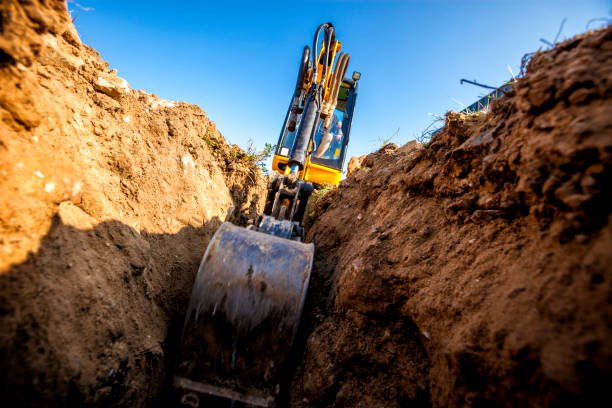
Excavation safety is the practice of ensuring that workers are protected while performing excavation work, such as digging trenches, laying pipes, or installing foundations. Excavation work is a high-risk activity that can result in cave-ins, falls, and other serious accidents if not properly planned and executed. To ensure excavation safety, employers must follow specific regulations … Read more

Personal Protective Equipment

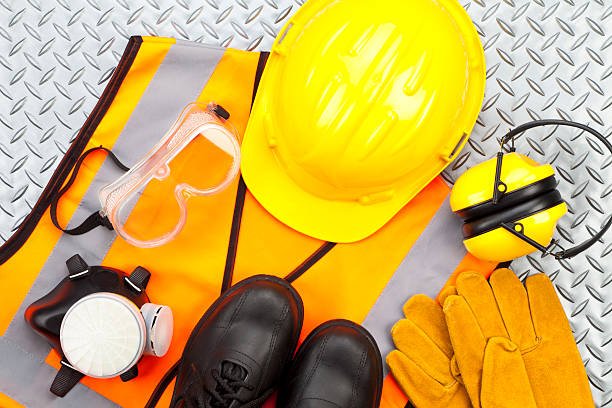
Personal Protective Equipment (PPE) refers to any equipment or clothing worn by workers to protect them from potential hazards in the workplace. PPE is designed to protect the body from physical, chemical, biological, and radiological hazards that can cause injury or illness. Examples of PPE include safety glasses, gloves, hard hats, respirators, earplugs or earmuffs, … Read more

House Keeping

Housekeeping in the workplace refers to the practice of keeping the work environment clean, organized, and free from hazards. Maintaining a clean and orderly workplace is important for several reasons, including: To maintain good housekeeping in the workplace, employers and workers should follow some general guidelines: Employers and workers should work together to maintain good … Read more

Material Handling(Manual and Machine)

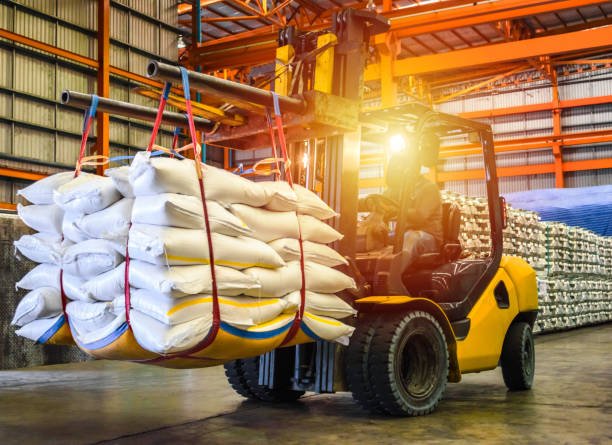
Material handling refers to the movement, storage, control, and protection of materials and products in the workplace. Material handling can be done manually or with the use of machines, such as forklifts, conveyors, and cranes. Manual Material Handling: Manual material handling involves moving materials by hand, using physical exertion. Examples of manual material handling include … Read more