










Advanced/Post Graduate Diplomas
Fire and Safety
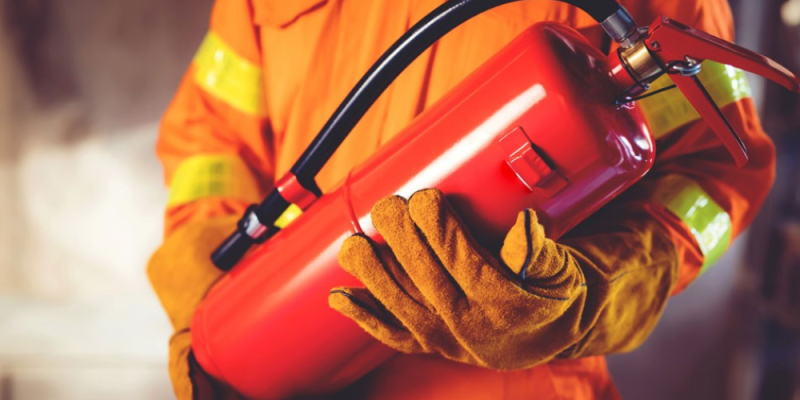
Fire and safety refer to the various practices and protocols implemented to prevent, protect, and respond to fire-related incidents. Fire safety is crucial in all settings, including homes, offices, industrial facilities, and public spaces, to ensure the safety of people and property….
Health Safety and Environment
Health, Safety, and Environment (HSE) refers to the integration of health, safety, and environmental protection principles into the planning, design, construction, operation, and maintenance of facilities and operations….
Industrial Safety
Industrial safety refers to the various practices and protocols implemented to ensure the safety of workers, equipment, and the environment in industrial settings. Industrial settings include factories, warehouses, refineries, and other manufacturing facilities…
Construction Safety
Construction safety refers to the various practices and protocols implemented to ensure the safety of workers, equipment, and the public during construction activities. The construction industry is considered one of the most hazardous industries due to the high-risk nature of its operations….
Corporate Training
Observation Data Management
Observation data management is a process that involves collecting, analyzing, and utilizing data from safety observations to improve safety performance in the workplace. Safety observations are conducted to identify potential hazards and unsafe behaviors in the workplace and provide information for safety improvement.
Hazard Recognition
Hazard recognition is the process of identifying potential hazards in the workplace before they can cause harm to workers or other individuals. Hazard recognition is an essential component of any effective occupational health and safety program. By identifying and addressing hazards, employers can prevent workplace injuries and illnesses and create a safer work environment.
Behavior Quality Improvement
Behavior Quality Improvement (BQI) is a management approach that focuses on improving the behavior of individuals to enhance the quality of products and services. The BQI approach recognizes that the quality of a product or service is the result of the behavior of the people involved in the process, from design and development to production.
Behaviour Based Safety
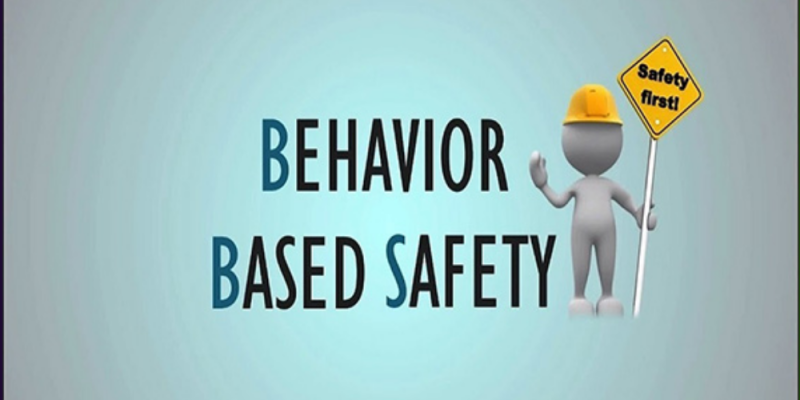
Behaviour-based safety (BBS) is a safety management approach that focuses on the behavior of individuals and the role that behavior plays in workplace safety. The core principle of BBS is that behavior is the result of a complex interaction between individual characteristics, environmental factors, and the task being performed.
International Courses
National Fire Protection Association (NFPA) Certified Fire Protection Specialist
NFPA CFPS stands for the National Fire Protection Association (NFPA) Certified Fire Protection Specialist certification. It is a professional certification that is designed for individuals who have demonstrated a high level of expertise in fire protection engineering…
National Fire Protection Association (NFPA) Certified Fire Inspector 2
NFPA CFI 2 stands for the National Fire Protection Association (NFPA) Certified Fire Inspector 2 certification. It is a professional certification that is designed for individuals who have achieved a higher level of expertise in fire inspection and code enforcement than the CFI 1 certification…
National Fire Protection Association (NFPA) Certified Fire Inspector 1
NFPA CFI 1 stands for the National Fire Protection Association (NFPA) Certified Fire Inspector 1 certification. It is a professional certification that is designed for individuals who are responsible for inspecting buildings and enforcing fire codes and regulations…
NEBOSH International General Certificate
NEBOSH IGC stands for the NEBOSH International General Certificate in Occupational Health and Safety. It is a globally recognized qualification in occupational safety and health (OSH) that is suitable for people working in any industry or sector…
Short Duration Training
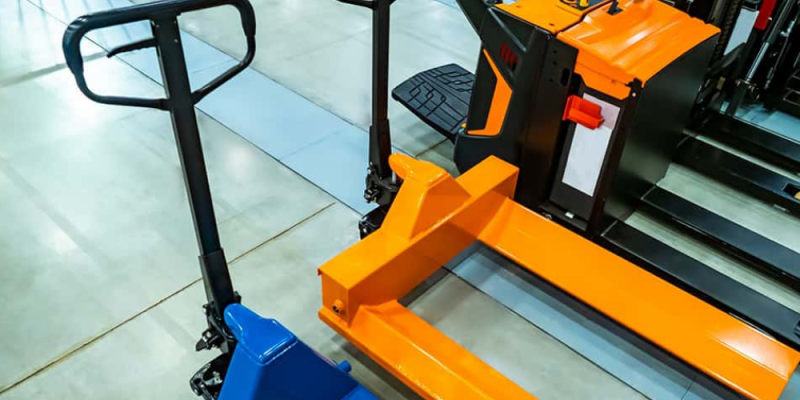
Material Handling(Manual and Machine)
Material handling refers to the movement, storage, control, and protection of materials and products in the workplace. Material handling can be done manually or with the use of machines, such as forklifts, conveyors, and cranes…
House Keeping
Housekeeping in the workplace refers to the practice of keeping the work environment clean, organized, and free from hazards. Maintaining a clean and orderly workplace is important for several reasons, including: To maintain good housekeeping in the workplace…
Personal Protective Equipment
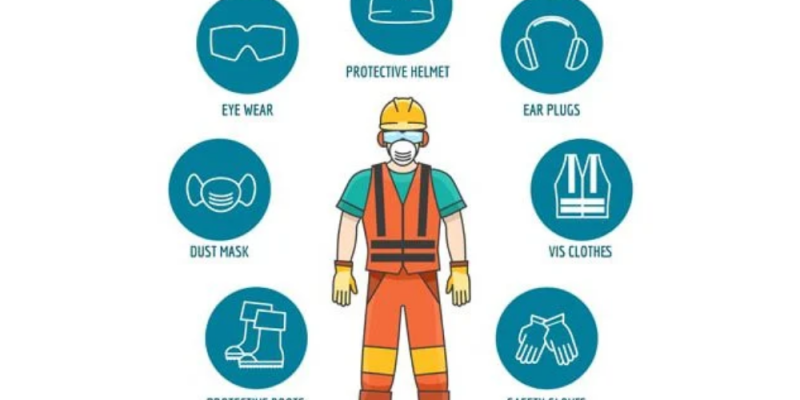
Personal Protective Equipment (PPE) refers to any equipment or clothing worn by workers to protect them from potential hazards in the workplace. PPE is designed to protect the body from physical, chemical, biological, and radiological hazards that can cause injury or illness…
Excavation Safety
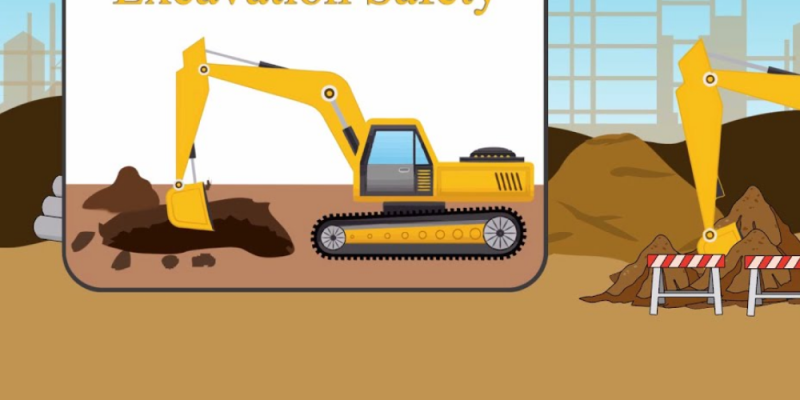
Excavation safety is the practice of ensuring that workers are protected while performing excavation work, such as digging trenches, laying pipes, or installing foundations. Excavation work is a high-risk activity that can result in cave-ins, falls, and other serious accidents..
Our Services
Safety Training / Safety Courses
Safety training courses provide individuals with the necessary knowledge and skills to identify and manage workplace hazards to ensure a safe and healthy working environment. These courses cover topics such as personal protective equipment, emergency response, hazard communication, and workplace ergonomics.
Audits and Surveys
Audits and surveys are methods used to assess and evaluate a company’s performance, processes, and policies. Audits are typically conducted internally by the company or externally by a third-party organization to ensure compliance with regulations and industry standards. Surveys, on the other hand, gather feedback
Man power and Services
Manpower and services refer to the workforce and the tasks they perform in a company or organization. It includes recruiting, hiring, training, and managing employees, as well as providing various services such as consulting, outsourcing, and temporary staffing to meet the needs of the business.
Corporate Safety
Corporate safety refers to the set of policies and procedures implemented by a company to ensure the safety and well-being of its employees, customers, and stakeholders. It involves identifying and managing workplace hazards, providing adequate training and resources, and promoting a culture of safety
Testimonals
The training at TrueUnitedVision was outstanding. The instructors explained complex safety procedures in a simple and practical way. I now feel confident applying these skills at my workplace.
Ali
TrueUnitedVision provides professional and hands-on training that truly prepares you for real-life situations. Their focus on safety standards is second to none.
Haider

The trainers are experienced, supportive, and very engaging. TrueUnitedVision’s training sessions were interactive and practical, making learning both effective and enjoyable.
Sania
I had zero background in safety protocols, but after completing my course at TrueUnitedVision, I not only gained knowledge but also the confidence to handle emergencies
Khair